 Fall 2026
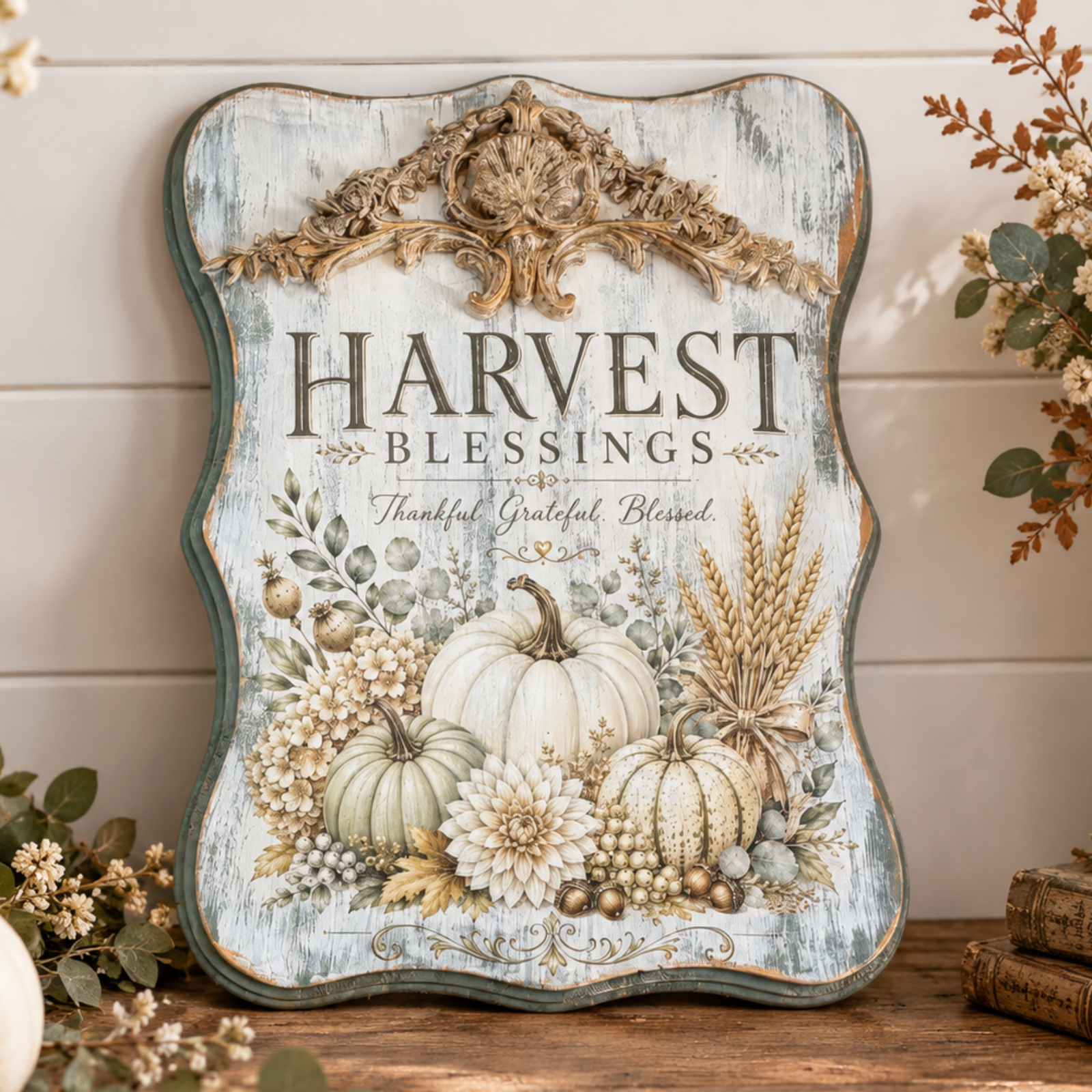
 🍂 Harvest Blessing: A Vintage-Inspired Plaque with a Touch of Golden Glow
Featuring Melissa Bradshaw
Give a simple wood plaque a beautiful autumn makeover with the Harvest Blessing Transfer! Layer distressed ...


Coastal projects are all about soft movement, layered color, and natural flow. In this tutorial, we’re sharing a beautiful blended stain background paired with a flowing octopus tentacle stencil design. This project is approachable, forgiving, and incredibly versatile — perfect for wall art, layered signs, or as a base for additional coastal elements.
This project was created by Amanda Dillon of Mettle Modern Design, known for her layered coastal style and creative use of stencils, texture, and color. You can follow her work and live tutorials on her Facebook page here: Mettle Modern Design.
Step 1: Apply the base stain.
Begin by applying a white stain to your wooden cradle panel using a stain sponge. Make sure to cover the entire surface, including the sides. This creates a soft, light foundation for the layered colors.

Step 2: Add Bay Blue stain.
Using a clean sponge, apply Bay Blue stain to about two-thirds of the board. Blend lightly and work the color over the edges for a natural, flowing look.

Step 3: Blend in Botanical stain.
Apply Botanical Green stain to the remaining section of the board. Lightly mist the area where the blue and green meet, then gently blend using a swirling motion. Add a small amount of white stain between the colors to create a soft ombré effect.

Step 4: Smooth the surface.
Once the stains are fully dry, lightly sand the board. This softens transitions and gives you a smooth surface for stenciling.

Step 5: Position the stencil.
Place the Tentacles Silhouette Stencil so portions of the design flow off the edges of the board. This creates a more organic, expansive look.

Step 6: Build the base color.
Using a stencil brush, apply white chalk paint to the lower portions of the tentacles. Focus heavier coverage toward the bottom and use a lift-and-offload technique to avoid paint buildup.
Step 7: Add muted green tones.
While the white paint is still slightly damp, blend in a light muted green to select areas, avoiding the top of the design.

Step 8: Add blue highlights.
Using a separate stencil brush, apply bright blue paint to the top portions of the tentacles. Add additional touches of blue elsewhere as needed for depth and dimension.

Step 9: Final blending.
Once the paint is completely dry, lightly sand again to soften the layers and create a smooth, cohesive finish.

Once complete, this piece can stand alone as wall art or serve as a base for layered signs and additional coastal elements. Optional finishing touches include metallic wax, rub-on accents, or subtle gold highlights.

Ready to try this look? Start with the flowing movement of the Tentacles Silhouette Stencil and experiment with layered stains and chalk paint for your own coastal-inspired finish.
Want to see the blending techniques and layered stencil details in action? Watch Amanda walk through the full process step-by-step in the video below.
Fall 2026 Featuring Melissa Bradshaw

 Fall 2026
 Featuring Cindy Berry