 Fall 2026
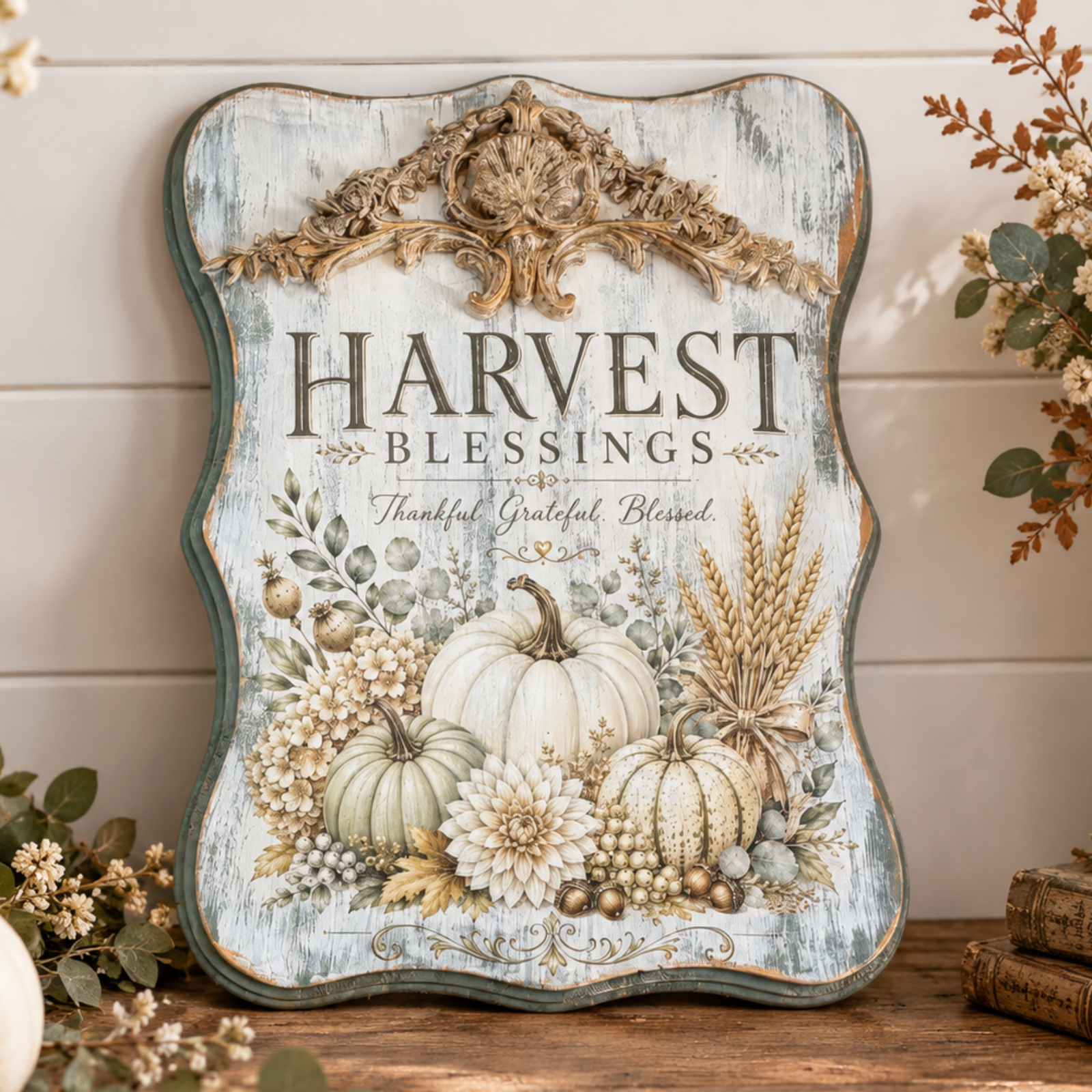
 🍂 Harvest Blessing: A Vintage-Inspired Plaque with a Touch of Golden Glow
Featuring Melissa Bradshaw
Give a simple wood plaque a beautiful autumn makeover with the Harvest Blessing Transfer! Layer distressed ...


If you love coastal decor with layered texture and weathered beachy finishes, this DIY project is such a fun one to recreate. Amanda Dillon of Mettle Modern Design shared this beautiful raised seahorse paddle board using dry brushing, chalk paint layering, and textured molding paste with Essential Stencil’s coastal stencil collection.
The finished piece has the perfect blend of rustic wood tones, soft coastal color, and raised dimension that looks gorgeous in beach homes, lake houses, porches, or summer displays.
Start by staining your wooden paddle board with a medium brown stain using a stain sponge. Cover the front, back, and edges evenly for a fully finished look.
Starting with stain adds beautiful depth underneath the dry-brushed paint layers and helps create that weathered coastal finish.

Once dry, lightly sand the entire surface smooth.

Using a chip brush, lightly dry brush white chalk paint across the board. Offload most of the paint first so the stain still peeks through underneath.
This technique creates soft texture and gives the board a naturally aged coastal appearance.

Next, lightly layer muted green tones over portions of the board to add depth and dimension. Blend softly and avoid overworking the paint.
The combination of layered neutrals and soft greens creates a relaxed beach-inspired finish.

Allow everything to dry completely, then lightly sand once more for a smooth blended finish.
To create the raised stencil design, mix molding paste with blue or Agave chalk paint until fully combined.

Secure the seahorse stencil from the Jellyfish, Seahorse & Whale Stencil Set onto the paddle board using painters tape.
Using a spatula or palette knife, spread the tinted molding paste evenly over the stencil openings.
Be sure to smooth the paste evenly before lifting the stencil for the cleanest raised design.

Carefully lift the stencil away and allow the design to dry completely.
The finished raised seahorse design has gorgeous coastal texture and subtle dimension that stands out beautifully against the layered weathered background.
This project works perfectly for coastal home decor, beach cottages, summer porch styling, or handmade gifts.

Amanda also shared a great reminder during her Live: sometimes the projects that don’t go exactly as planned end up creating the most beautiful layered backgrounds. Keep experimenting and trust the process!
You can grab the featured Jellyfish, Seahorse & Whale Stencil Set here while it’s still available.
Want to see the full project come together step-by-step? Watch Amanda’s full tutorial below:
Fall 2026 Featuring Melissa Bradshaw

 Fall 2026
 Featuring Cindy Berry